I’ve been playing with my home for a few years now, and it’s slowly turned into something that feels more like a system than just a collection of rooms. It didn’t happen overnight, it was a gradual process.
One of the first areas I focused on was energy use. My bills were higher than I wanted, and I had no idea which devices were using the most power. That’s when I started tracking usage with smart plugs and sensors, then set up simple rules to shift some consumption to off-peak hours. For example, I made non-essential devices turn off automatically during expensive evening hours, while still giving me the option to override them manually when needed. This made a noticeable difference in my monthly costs without making the house feel restrictive.
Lighting was another area where I made improvements. Instead of relying on manual switches or basic timers, I set up lights that respond to whether someone is home and what time of day it is. The lights now dim in the evening and adjust based on natural light levels. It’s a small change, but it makes the space feel more comfortable without me having to think about it constantly.
I also added a voice assistant to control devices like lights, making accessibility easier for anyone using the home.
Privacy has always been important to me. So, I’ve tried to keep as much of my system running locally. I store data on my own hardware instead of sending everything to cloud services. This gives me more control and means that even if the internet goes down, my basic automations will still work. It took some extra setup in the beginning, but it’s been worth it for the peace of mind.
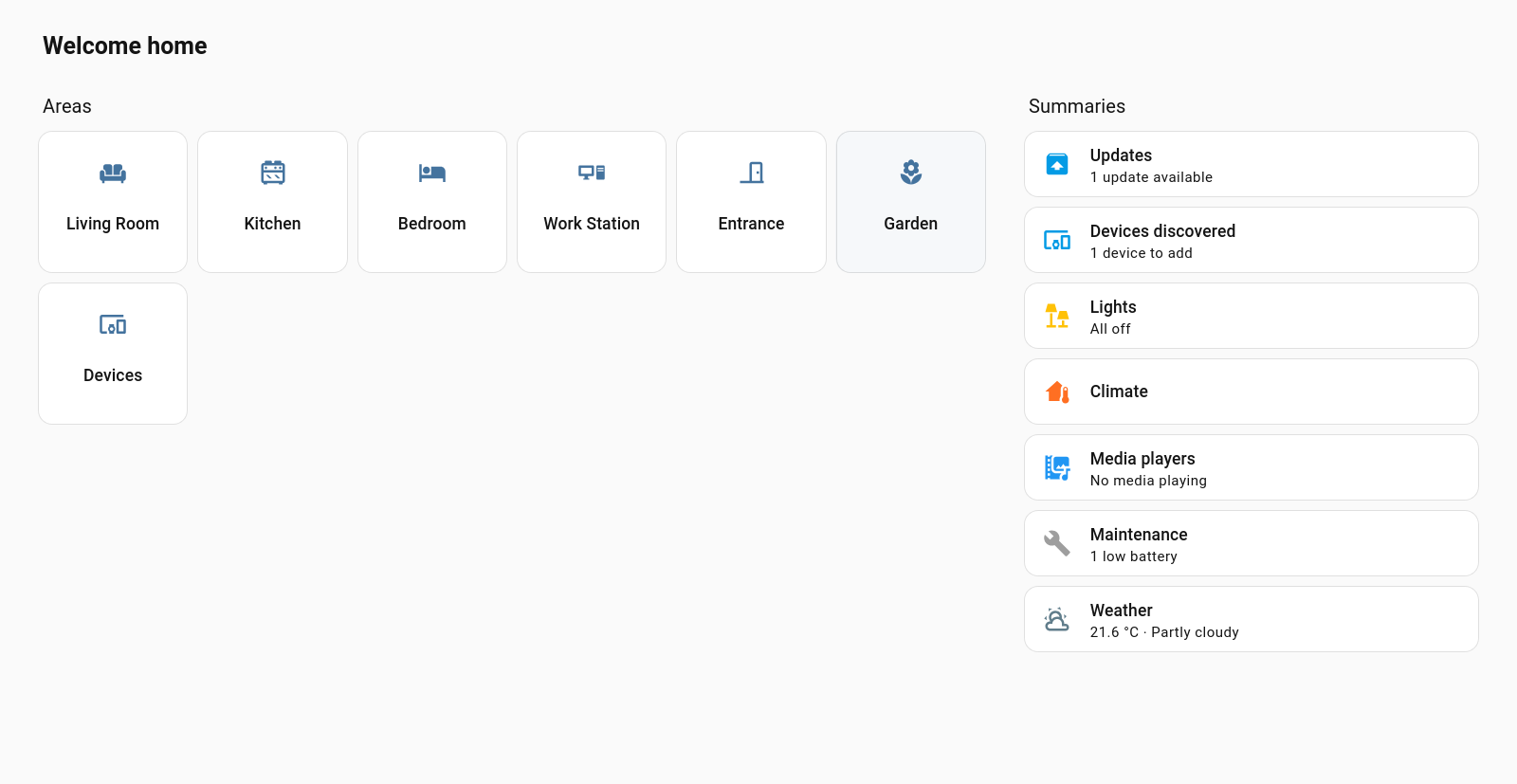
As someone with a design background, I’ve always prioritized usability over flashy interfaces. My smart home dashboard is minimal, just the data I need, no distractions. Over time, I’ve learned to keep things simple. Early on, I tried to automate too much, and it became overwhelming to maintain. Now I focus on the things that genuinely save time or reduce friction in my day-to-day life.
What stands out to me after five years is that the most useful changes weren’t necessarily the most technical ones. They were the ones that made daily life feel a little smoother without requiring constant attention. The home doesn’t need to predict everything perfectly; it just needs to handle the repetitive tasks well and stay out of the way when I want to do things manually. Now, my home has evolved from a collection of gadgets into a seamless extension of my life. It’s not about predicting the future :) it’s about making the present feel effortless.